
Pet Dental Care in Abbotsford
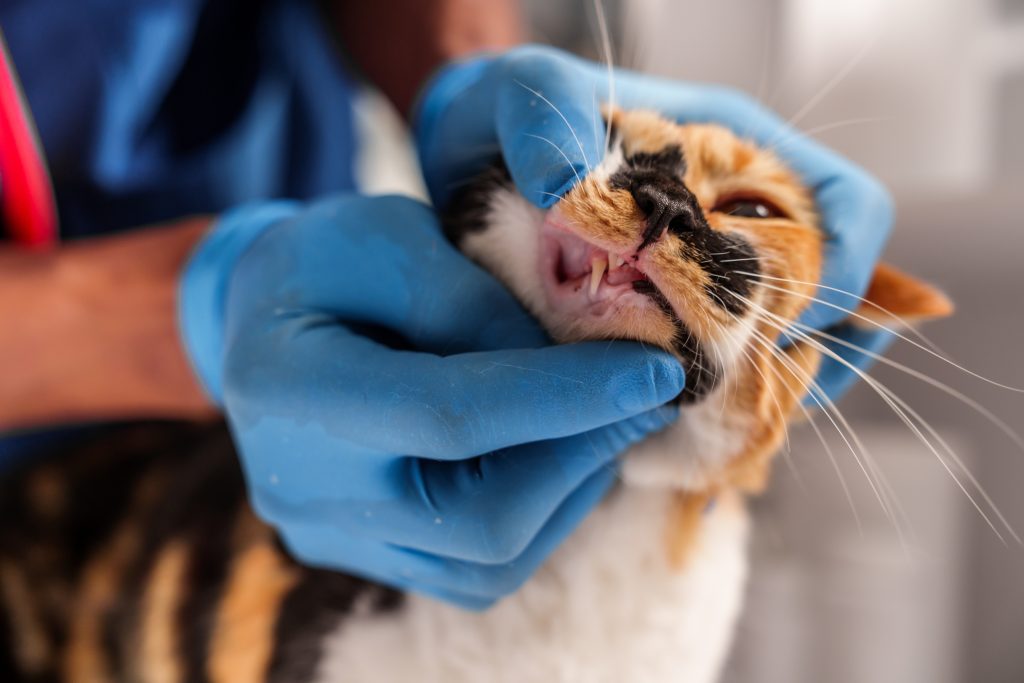
Dental disease is one of the most common health issues we see in dogs and cats, and is also one of the most preventable. Our team has a genuine passion for dentistry, and we love seeing the difference a clean, healthy mouth can make for your pet’s health.
Dog and Cat Dental Care at Mill Lake Veterinary Clinic
Before recommending any dental treatment, we’ll do a full assessment. We will walk you through our findings, what they mean for your pet, and our recommendations. You will have the opportunity to ask questions and make an informed decision for your pet.
Dental procedures are performed under general anesthesia to help your pet remain comfortable and still throughout the appointment. Most pets go home feeling much more comfortable than when they came in.
Veterinary Dental Services
Mill Lake Veterinary Clinic offers comprehensive dental care for dogs and cats, including:
- Annual complete oral health assessment and treatment for cats and dogs
- Dental x-ray to assess tooth roots and bone health below the gumline
- Extractions
- Tooth fracture assessment and treatment
- At-home dental care guidance
When to Book a Pet Dental Appointment
We recommend annual dental assessments for all dogs and cats. Dental disease can develop quietly, so routine check-ups catch problems before they become painful. If your pet has bad breath, is dropping food, pawing at their mouth, or seems reluctant to eat, contact our office to book an appointment as soon as possible.
Pet Dentistry FAQs
The cost of a dental cleaning can vary depending on your pet’s needs. You will receive a clear estimate before any work is done, so there are no surprises.
Yes. Anesthesia allows us to do a thorough job safely and keeps your pet comfortable and still throughout the procedure. We take every precaution to make sure anesthesia is as safe as possible for your pet.
Bad breath is often the first sign. Other things to watch for include difficulty eating, drooling, pawing at the mouth, and swollen or bleeding gums. Many pets show no obvious signs at all, which is why annual dental assessments are so important.